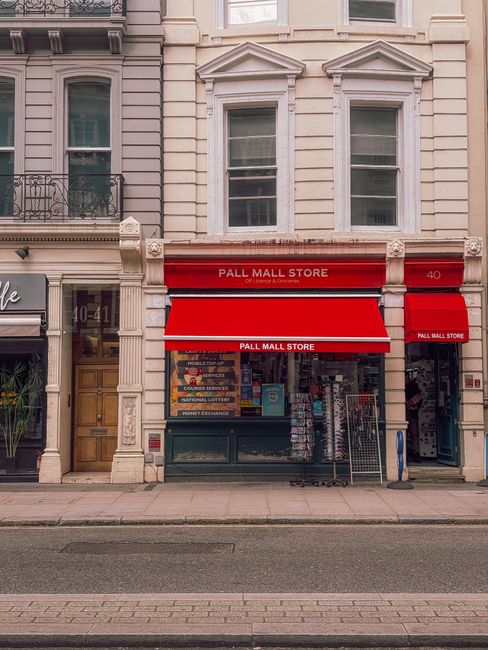
Office removals Balham High Road shops fit outs and local moves

If you are juggling an office move, a Balham High Road shop fit-out, or a short local relocation, you already know the awkward bit is not moving a box. It is keeping the day calm while people, stock, desks, fittings, and deadlines all move around you. That is what this guide is for. It explains how office removals Balham High Road shops fit outs and local moves usually work, what makes them different from a standard house move, and how to plan them without turning the whole thing into a weekend-long headache.
Balham High Road is busy, practical, and a bit unforgiving on timing. Deliveries have to fit around pedestrians, traffic, loading access, and whatever else is happening that day. So whether you are relocating a small office, refitting a retail unit, or shifting equipment a few streets away, the smartest approach is to treat the move like a project, not a one-off lift-and-load. That is the difference between a smooth handover and a frantic one. Let's make it smoother.
Why Office removals Balham High Road shops fit outs and local moves Matters
There is a reason these moves need their own approach. An office relocation is not just about shifting furniture. A shop fit-out is not just decorating. A local move sounds simple until you realise it involves access windows, fragile equipment, stock counts, safe lifting, parking, and the need to reopen quickly. On a high street like Balham High Road, timing and coordination matter just as much as muscle.
For offices, the main risk is downtime. A few hours lost can mean delayed client work, missed calls, or staff waiting around with nothing useful to do. For shops, the stakes are often more visible. A half-finished fit-out can mean lost sales, confused customers, or a messy opening day that feels rushed from the start. Local moves, meanwhile, are often underestimated because the distance is short. Truth be told, short distance can still mean complex logistics.
What makes these jobs especially sensitive is the mix of commercial and local pressures. A small office may need careful handling of computers and documents. A shop may need shelving, display units, tills, and perhaps new fixtures arriving in a specific order. A local move may involve moving from a flat above a parade of shops into a nearby unit, with very little room for error. If one part slips, the whole schedule can wobble.
Expert summary: The best office and commercial moves in Balham are rarely the biggest ones. They are the best planned ones. A clear inventory, a realistic time slot, and the right type of vehicle usually do more for success than last-minute effort ever will.
If your move involves business assets, it also makes sense to think beyond transport. You may need packing support, temporary storage, waste removal, or a carefully timed handover. In many cases, the broader office relocation services offer is more useful than a simple van-and-driver arrangement because it covers planning as well as carrying. That extra structure can save a lot of bother later.
How Office removals Balham High Road shops fit outs and local moves Works
Most successful commercial and local moves follow a similar sequence. The detail changes depending on whether you are moving an office, fitting out a retail unit, or relocating equipment nearby, but the logic stays the same: plan, prepare, protect, move, place, and check.
The first stage is usually a short survey or a detailed discussion. This is where you identify what is moving, what needs dismantling, what must stay live until the last possible moment, and what access is available at both ends. You would be surprised how often a job changes once someone walks through it properly. A narrow staircase, a low doorway, or a parking restriction can transform the plan. Not dramatic. Just real life.
Next comes packing and sequencing. Office files, IT equipment, retail stock, fixtures, and tools all need different handling. A box of archive files is not the same as a delicate display cabinet. This is where packing and boxes can become more than a convenience; it is part of protecting the move itself. Labels, room grouping, and numbered crates are simple but effective.
On moving day, the team should work to a clear loading order. Items that will be needed first at the destination should be loaded last, so they come off first. That sounds obvious, but in the rush of the day it is easy to forget. A tea urn, a cash drawer, or a reception phone buried under everything else can cause a surprisingly annoying start.
Shop fit-outs add a different layer. The move may need to happen around installers, electricians, joiners, or visual merchandisers. In some cases, equipment is moved in stages rather than all at once. Materials arrive first, fixtures are positioned next, and stock comes in only when the site is ready. For that kind of project, a flexible provider such as commercial moves is often the better fit because the job is not just a lift but a sequence of handovers.
Finally, there is the settling-in stage. This is where items are placed in the right areas, minor damage is checked, and the business starts to function again. The move does not end when the van leaves. It ends when the space is usable.
Key Benefits and Practical Advantages
A well-run commercial move or shop fit-out delivery gives you much more than transport. It buys you time, reduces stress, and gives the project a bit of breathing room. That matters because commercial spaces tend to have more moving parts than people expect.
- Less downtime: careful sequencing helps staff resume work quickly and keeps shop openings on track.
- Better protection for assets: desks, stock, fixtures, and electronics are packed and handled in a way that suits them.
- Cleaner handovers: a structured move helps the old site and the new site stay organised.
- More predictable scheduling: local logistics are easier to manage when everyone knows the access plan.
- Reduced wasted effort: fewer duplicate trips, fewer missing items, and less last-minute shuffling.
There is also a quieter benefit. A tidy move tends to calm the people involved. Staff notice when the process feels organised. Shop teams notice when new shelving arrives in the right order. Even customers can feel the difference if a business opens without a half-finished look. Small thing, big impression.
For local relocations, the advantage is often speed. A nearby move can sometimes be completed in a single day with the right vehicle and enough preparation. In that case, a service like man and van can be a practical fit for lighter loads or smaller commercial relocations. For heavier office furniture or bulk stock, a larger option such as removal van or even moving truck may be more appropriate.
Who This Is For and When It Makes Sense
This kind of move is relevant to more people than you might think. It is not only for big firms or large retail chains. In fact, many of the most common Balham jobs are modest in size but fairly tight on timing.
You may need this if you are:
- moving a small office to a nearby street or unit;
- refitting a shop on or near Balham High Road;
- opening a new branch and needing stock and fixtures delivered in stages;
- relocating a practice, studio, or admin office with equipment to protect;
- moving between mixed-use buildings where access is a bit awkward;
- upgrading a business location and want temporary storage during the works;
- combining a local business move with a broader commercial relocation.
It also makes sense if you are trying to keep trading while work happens. A retailer may not be able to shut for long. An office may be able to move in sections over a few evenings. A local business may need same-day handling for just a handful of essential items. That is where a flexible plan matters, and why some companies look at same-day removals when the timeline is especially tight.
If you are moving something simple, you may not need a large team. If you are moving filing cabinets, display units, or several workstations, you almost certainly will. That decision should be based on the load, the access, and how quickly the space has to be usable again. Not on wishful thinking. We have all been there.
Step-by-Step Guidance
Here is a straightforward way to plan a move without losing control of the details.
- List everything that is moving. Break it into furniture, stock, IT, documents, fixtures, and loose items. Keep a separate note of anything fragile or expensive.
- Check access at both ends. Think about stairs, lifts, doorway widths, loading areas, parking, and timing restrictions. This is especially important around a busy high street.
- Decide what has to move first and what can wait. An office server, card machine, or customer counter may need priority. For a shop, point-of-sale items often come before decorative elements.
- Choose the right packing method. Use sturdy boxes, tape, labels, wrapping materials, and clear room names. If you have staff helping, keep the system simple.
- Book the vehicle and support level that matches the job. A small local move may suit a man with van approach, while a larger commercial move may need a more complete removal services setup.
- Schedule the move around your business hours. Early mornings, evenings, and quieter trading periods often reduce disruption.
- Protect the items that can cause delays. IT gear, glass shelving, branded displays, and anything that would stop operations if damaged should be wrapped and loaded carefully.
- Label the new space. Room-by-room labels save a huge amount of time on arrival. The person unpacking will thank you, even if they do not say it out loud.
- Walk the site before and after. Check for damage, missing items, and anything that was not placed where it should be.
- Keep a final essentials box. Tools, chargers, basic cleaning supplies, bin bags, kettle items, and documents for day one should stay accessible.
If your move involves waiting between premises, short-term holding, or phased installation, storage can help reduce pressure. That is particularly useful for shop fit-outs where timing is split between delivery, installation, and opening.
Expert Tips for Better Results
In practice, the smoothest moves are not the ones with the most people. They are the ones with the clearest priorities. A few small decisions make a big difference.
First, pack by function rather than by room alone. For offices, that might mean admin, client-facing, IT, and archives. For shops, it might mean front-of-house, stockroom, merchandising, and till area. This helps with unpacking because you are not simply finding items; you are restoring how the business works.
Second, keep the first hour at the new place in mind. What do you need the moment the van doors open? If you know that, you will load smarter. You will also avoid the classic mistake of packing the important bits in the last box and then forgetting which one it was. Happens all the time, honestly.
Third, treat fragile commercial items differently from domestic belongings. A showroom mirror, a branded sign, or a computer monitor may need more than a blanket and a prayer. Separate wrapping, corner protection, and stable stacking are worth the extra effort.
Fourth, use the fit-out schedule to drive the move. If fixtures are being installed on Tuesday, stock should not arrive on Monday unless there is a secure place for it. If electricians need clear access first, do not box the route in. Simple, but often missed.
Fifth, communicate clearly with staff. The move goes better when everyone knows what they are responsible for. One person should own decisions, one person should own labels, and one person should handle final checks. Too many cooks, as they say.
A good provider will also talk honestly about vehicle size, access constraints, and timing. That is more useful than being overconfident on the phone and underprepared on the day. If you need a practical, no-nonsense approach, the team behind removal companies can be a useful benchmark for what a properly organised move should feel like.
Common Mistakes to Avoid
Most problems on commercial and local moves are not dramatic disasters. They are little planning slips that snowball. The good news is that they are easy to avoid once you know what to watch for.
- Underestimating access: a van may fit in theory, but not if the kerb space is blocked or the turning circle is tight.
- Leaving packing too late: last-minute box-filling leads to mixed loads and damaged items.
- Not separating priority items: the things needed first should never disappear into the back of a pile.
- Forgetting about building rules: some premises have specific loading, lift, or access arrangements that need advance notice.
- Assuming fit-out materials will arrive in one perfect sequence: in reality, deliveries often need staging.
- Not checking insurance and liability expectations: if you are moving business assets, you want clarity before the job starts.
- Ignoring recycling and disposal needs: old fixtures, unwanted packaging, and redundant furniture can create a mess if no one plans for them.
A small but common one: people pack the move itself well, then forget the old site must still be left tidy. Forgotten screws, bits of tape, stray packaging, and broken shelving can slow down the final handover. A bit of care here saves awkward conversations later.
If you are clearing out redundant desks, chairs, or store fittings during a move, it may help to think about furniture removals or even furniture pick up depending on what needs to leave and how quickly. That keeps the project from becoming a clutter pile with a booking slot attached.
Tools, Resources and Recommendations
You do not need a huge toolkit to run a good move, but you do need the right basics. The usual essentials are plain enough, yet they make a big difference when the clock is ticking.
- strong cardboard boxes in a few sizes;
- packing tape and a tape gun;
- marker pens for clear labels;
- bubble wrap or paper for fragile items;
- blankets, straps, and protective covers for furniture;
- simple inventory sheets or a shared spreadsheet;
- floor plans or a marked layout for the new premises;
- cleaning materials for both ends of the move;
- basic tools for dismantling and reassembly;
- temporary bins or sacks for waste and packaging.
It also helps to choose the service style that matches the workload. A light local job may suit man with a van or man and a van style support, while a bigger business relocation often needs something more structured. For heavier loads, removal truck hire can be the better option, especially where volume and timing both matter.
Some businesses also benefit from packing help. If staff are already stretched, outsourcing part of the preparation can stop the move from draining the week before it even starts. That is where packing and unpacking services can make the whole thing feel much less chaotic. Not glamorous, but effective.
Law, Compliance, Standards, or Best Practice
Commercial moves and shop fit-outs are not usually about legal drama, but there are still important duties and sensible standards to respect. In the UK, employers and business owners should think carefully about health and safety, safe lifting, access control, and the security of property and data during a move. If staff are involved in moving items, they should be given realistic instructions and not expected to carry loads that are unsafe or awkward.
Best practice usually means:
- planning lifting and carrying routes in advance;
- protecting staff from slips, trips, and strain;
- keeping fire exits and access routes clear;
- managing electrical equipment carefully;
- securing confidential paperwork and devices;
- checking whether premises have any site-specific access rules;
- making sure insurance expectations are understood before the move.
If a move involves vehicles, loading areas, or a shared entrance, it is sensible to work within the building and street rules that apply to the location. That may sound obvious, but it is one of those areas where a bit of advance checking saves a lot of awkwardness on the day. For this reason, many businesses ask about insurance and safety before confirming the job. Sensible move, frankly.
Waste and unwanted fittings also deserve care. Packaging, broken fixtures, and surplus furniture should be handled responsibly rather than just left in a corner. A provider that understands recycling and sustainability can help you reduce unnecessary waste and keep the site cleaner at both ends.
Options, Methods, or Comparison Table
Different jobs call for different levels of support. The right method depends on distance, volume, access, and how quickly you need the space back in use.
| Approach | Best for | Strengths | Watch-outs |
|---|---|---|---|
| Man and van | Small local office or light commercial move | Flexible, efficient, often ideal for short trips | May not suit bulky furniture or staged fit-out deliveries |
| Removal van | Medium loads, mixed office items, compact retail stock | Good balance of space and manoeuvrability | Still needs sensible packing and access planning |
| Moving truck | Heavier furniture, larger inventories, big fit-out loads | Capacity and load stability | Can be less convenient on tighter streets |
| Office relocation service | Business moves with multiple parts or tight deadlines | More planning support and smoother sequencing | May be more than needed for very small jobs |
| Storage-supported move | Phased fit-outs or temporary site delays | Helps bridge timing gaps | Needs extra organisation and labelling |
There is no universal winner here. A two-room office move a few streets away may be perfect for a smaller vehicle. A shop refit with display units and stock coming in stages may need a broader plan with storage and multiple handovers. The trick is matching method to reality, not aspiration.
Case Study or Real-World Example
Here is a typical local scenario. A small professional office near Balham High Road needs to relocate after a lease change, and the new space is only a short distance away. The team has desks, monitors, archive boxes, a reception unit, and a couple of filing cabinets. Nothing enormous. But the move has to happen after business hours because calls still need to be answered during the day.
Before the move, the manager separates items into three groups: must-have first, can-wait, and storage candidate. IT equipment is wrapped and labelled separately. Client paperwork is boxed in a way that keeps it secure and easy to locate. The reception desk is dismantled just enough to fit through the narrowest point, then reassembled on site. The new premises are marked out in advance, so each desk knows where it is going. Bit of old-school planning, really.
On the same project, a few surplus chairs and an old display cabinet are removed rather than moved. A modest amount of furniture removals support clears the old office without creating extra clutter. The new space opens the next morning with the basics in place, and the team spends the first hour setting up rather than searching for missing items.
Now compare that with a small retail fit-out. Fixtures arrive before stock. Shelving is installed before signage. Packaging waste is removed as the site is prepared, not after it is already crowded. The result is not just a moved shop. It is a usable shop. That is the part people remember.
Practical Checklist
Use this as a simple final check before the move date.
- Confirm what is moving and what is staying behind.
- Check access, parking, lifts, and loading points at both ends.
- Label boxes by department, room, or function.
- Separate fragile, confidential, and high-value items.
- Decide which items must arrive first.
- Book the right vehicle size for the load.
- Arrange help for dismantling, loading, and reassembly if needed.
- Prepare an essentials kit for the first day at the new site.
- Plan for waste, packaging, and any old furniture to be removed.
- Let staff know the timings and what they are responsible for.
- Keep contact details and site notes available on the day.
- Walk through the old and new locations once everything is placed.
If you are working to a tight schedule, it can also help to have a fallback plan. A short delay, a missing key, or a late delivery should not completely derail the move. A little flexibility goes a long way.
Conclusion
Office removals Balham High Road shops fit outs and local moves are all about keeping momentum without losing control of the details. The best outcomes come from clear planning, realistic timing, and the right level of support for the job in front of you. Whether you are moving a small office, launching a new shop, or shifting a few blocks with commercial equipment, the goal is the same: get the space ready, protect what matters, and keep disruption low.
That is why it helps to think of the move as part logistics, part project management, and part damage prevention. Do that well, and the whole thing becomes much less stressful than it first looks. And yes, there is always a little chaos somewhere. But it does not have to run the show.
Get a free quote today and see how much you can save.
When the boxes are stacked and the last item is in place, what you really want is a space that feels ready to work again. That feeling is worth planning for.
Frequently Asked Questions
What counts as an office removal rather than a normal move?
An office removal usually involves business equipment, desks, files, computers, and a need to reduce downtime. It is more about continuity than just transport, which is why planning matters so much.
Can a shop fit-out move be done in stages?
Yes. In many cases, staged delivery is the smartest route. Fixtures may come first, then installation, then stock. That sequence helps avoid clutter and keeps the site workable.
How far in advance should I plan a local move on Balham High Road?
As early as possible, especially if access is tight or you need to work around business hours. A short local move can still need careful coordination, so leaving it until the last minute is risky.
What is the best vehicle for a small commercial move?
It depends on the volume and the access. A smaller job may suit a man with van setup, while heavier furniture or stock may need a larger vehicle.
Do I need packing help for office removals?
Not always, but it often saves time and mistakes. Packing support is especially helpful if you have fragile items, confidential documents, or staff who are already busy.
What should I do with unwanted furniture during a move?
You can arrange for it to be removed separately rather than dragging it into the new premises. Depending on the items, furniture pick up or furniture removal support may be the cleaner solution.
How do I keep downtime low during an office relocation?
Move essential items first, label clearly, and schedule the job outside peak trading or working hours where possible. The more your first-day setup is prepared in advance, the faster staff can get back to work.
Are same-day moves realistic for small businesses?
Sometimes, yes. If the load is modest and access is straightforward, a same-day plan can work well. It is usually better for simple relocations than for big staged fit-outs.
What happens if I need temporary storage during the move?
Temporary storage can bridge gaps between premises or between fit-out stages. It is useful when the new site is not fully ready but the old site has to be cleared.
How do I know if I need a removal truck instead of a van?
If you have bulky furniture, a lot of stock, or multiple loads, a larger vehicle is usually safer and more efficient. If you are unsure, look at the volume honestly rather than guessing. That little bit of honesty saves a lot of back-and-forth.
What should I check before confirming a commercial move?
Check access, timing, insurance expectations, packing needs, and whether any items need special handling. It is also wise to confirm how waste, storage, and reassembly will be managed.
Can office removals include reassembly at the new site?
They often can, depending on the service and the items involved. If furniture is dismantled for transport, reassembly support is often one of those details that makes the day feel much less stressful.
What is the biggest mistake people make with shop fit-out deliveries?
Trying to deliver everything at once before the site is actually ready. That usually creates congestion, damage risk, and frustration. A better plan is to work in the order the site needs.
If you want a move that feels organised rather than rushed, start with a clear plan and the right support. That is usually where the peace of mind begins.